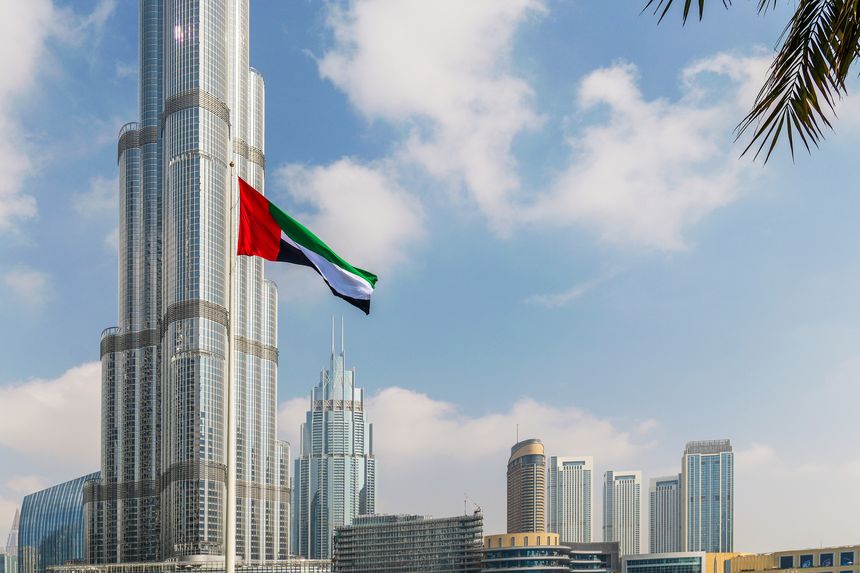


I have recently returned from a very beneficial week in the UAE, with plenty to reflect on following a number of interesting conversations with lawyers, wealth advisers and others working closely with international families.
Dubai remains buzzing with energy and very much open for business. What struck me in particular was the increasingly international nature of the private wealth market and the complexity this creates for families looking not only to build wealth, but to preserve it successfully across generations.
UK nationals continue to explore moves to the UAE, with this bringing a range of considerations around tax, the restructuring and protection of assets, and continuing connections to the UK. We are also seeing high-net-worth families from South Asia, particularly India and Pakistan, taking advice from wealth advisers based in the UAE while continuing to hold assets and business interests in the UK and across multiple jurisdictions.
For advisers working with internationally mobile families, this reinforces the importance of looking at the whole picture. Families, businesses and assets increasingly span several jurisdictions, and decisions made in one country can have significant implications elsewhere.
One of the most interesting themes throughout the week was the challenge of preserving wealth across generations. At the MEA conference and the Arabian Gulf Business Insight conference in Abu Dhabi, much of the discussion focused on longevity, succession and the future of family-owned businesses, which comprise 60% of all businesses in the UAE.
Legal structures are, of course, important, but they are only one part of successful succession planning. Family governance, communication and ensuring the next generation understands the values and responsibilities behind the family wealth can be equally important.
This is particularly relevant where younger family members may not want to take over the family business. Bringing the next generation into discussions early, involving younger family members in governance and giving them an opportunity to understand how the business operates can all help to create greater long-term continuity. There is also an increasing role for external expertise, including independent board members, where this complements the skills and interests of the family.
The conversations also highlighted the importance of philanthropy stewardship, succession planning and family buy-in. A family can have sophisticated trusts, corporate arrangements, shareholder agreements and constitutions in place, but those structures can only achieve so much if family members do not understand or support the arrangements.
The human side of succession should not be underestimated. The relationships between generations, the involvement of the wider family and the values passed down by a patriarch or matriarch can be just as important as the legal structures surrounding the wealth. A lack of unity or clarity can ultimately create the conditions for disputes.
From a contentious perspective, those dispute risks become particularly interesting when families and their assets cross borders. Second marriages, stepchildren, different expectations between generations, third parties holding shares and disagreements over the future direction of a business can all become pressure points. If those issues involve family members, trusts, property and businesses across several jurisdictions, resolving them can quickly become significantly more complex.
This is particularly important in the Gulf given the prominence of family-owned businesses. Effective governance and succession planning are not simply about protecting an individual's wealth. They can be fundamental to the long-term stability of the underlying family business.
Another emerging area is digital assets. Cryptoassets and other forms of digital wealth are becoming a more significant part of international families' portfolios and will inevitably feature more regularly in trusts, inheritance and family wealth disputes. Advisers will increasingly need to understand how these assets are owned and controlled, as well as the practical issues around tracing, valuation and enforcement where a dispute arises.
What came through most clearly from my time in the UAE is that successful wealth preservation requires much more than putting the right legal structures in place.
As families become more internationally mobile and their assets more complex, succession planning needs to evolve with them. Regularly reviewing arrangements, involving the next generation and establishing clear governance can help families prepare not just for the transfer of wealth, but for the transfer of responsibility that comes with it.
Ultimately, preserving family wealth across generations requires a combination of good structures, good governance and strong family relationships. The values and ethos behind that wealth can be just as important to its longevity as the assets themselves.
If these issues are relevant to you or the families you advise, I’ll be exploring them further during London Arbitration Week at “Arbitrating International Family Wealth Disputes”, hosted by Edwin Coe. The session will look at the growing role of arbitration in resolving cross-border family wealth and trust disputes and the challenges that arise when families, assets and structures span multiple jurisdictions.
Find out more and register here: https://londonarbitrationweek.co.uk/events/arbitrating-international-family-wealth-disputes/
For further information please contact partner Shams Rahman at shams.rahman@edwincoe.com / telephone: +44 (0)20 7691 4045