


I was recently interviewed by Chiara Castro of TechRadar for a piece on the growing UK backlash against Meta's Ray-Ban smart glasses ("Forget Wetherspoons — patchwork bans won't fix the Meta glasses' privacy crisis, so what comes next?", available here).
It's worth setting out my thinking in a bit more depth here. Since launching in Britain in October 2023, the glasses have drawn a growing backlash, fuelled by reports of women being secretly filmed, activist campaigns across London, and a petition calling for an outright sales ban. As the article notes, courts in England and Wales, along with pubs, cinemas and private clubs, have already banned the glasses on their premises. The question I keep getting asked, including by TechRadar, is whether Parliament should go further and ban the technology nationally.
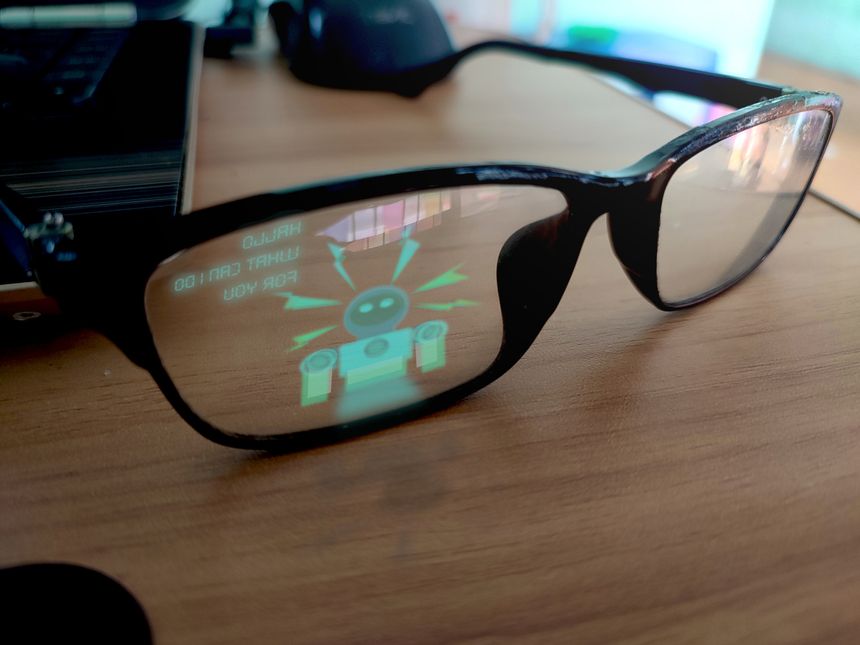
As the piece sets out, the case against the glasses is straightforward. Unlike bulkier headsets, they're near-indistinguishable from ordinary spectacles, yet contain dual cameras, microphones and hands-free AI activation, letting a wearer record or livestream with a simple voice command. TechRadar highlights that Meta's small recording LED has proven easy to miss and, in some cases, easy to disable. Layered on top is Meta's own data practice: the company has stated that photos processed with its AI are stored and used to train its systems, meaning a bystander captured without consent may end up feeding a commercial AI product they never agreed to be part of.
As I told TechRadar, the legal reality is more nuanced than "ban the glasses" campaigns suggest. Public recording is not inherently unlawful in the UK; the problem comes about in terms of what you do with that recording. UK GDPR's household exemption lets casual social filming (for example for a family holiday video) escape data protection law entirely, but as I explained to the article's author, that exemption collapses the moment the recording goes further than being for the purposes of the wearer’s private or family life, for example where a stranger becomes identifiable by face, voice, gait or location in the context of non private or family use (for example by analogy where a domestic CCTV system is directed towards a public space). At that point ordinary GDPR fairness and transparency obligations bite.
On the prospect of a statutory ban, which is the central question TechRadar's piece is built around, I'm sceptical it will happen, still less that it should. A blanket prohibition would be seen as disproportionate against a lawful product with genuine benefits, including for visually impaired users, and would sit awkwardly with the UK's general preference for regulating conduct over prohibiting hardware. To my mind, the real problem is the covert nature of misuse, and that isn't really something you can easily legislate for, as I said in the article. TechRadar also raises whether the Online Safety Act's duty-of-care obligations could be extended to impose design obligations on manufacturers; that route is possible in principle, but far from straightforward.
That leaves a familiar but uncomfortable gap, and it's the note I ended on with TechRadar: the legal building blocks (GDPR, misuse of private information, harassment and voyeurism offences) already cover most harmful scenarios in principle, but enforcement depends on a bystander first realising they were recorded and then bringing a claim. As camera technology becomes harder to detect, that practical gap, rather than any deficiency in the underlying law, is where I expect the pressure for reform to keep building. The full TechRadar article, with further context on the wider smart glasses debate, is available at https://www.techradar.com/vpn/vpn-privacy-security/forget-weatherspoons-patchwork-bans-wont-fix-the-meta-glasses-privacy-crisis-so-what-comes-next.
/Passle/68ee0ab18676b883b68d6972/SearchServiceImages/2026-10-07-21-31-28-573-6ac6ba30ce624e48d6cb7328.jpg)
/Passle/68ee0ab18676b883b68d6972/SearchServiceImages/2026-10-06-08-42-53-420-6ac4b48d702178e560a15afc.jpg)
/Passle/68ee0ab18676b883b68d6972/SearchServiceImages/2026-10-05-14-49-32-901-6ac3b8fc7533beb6e63d942b.jpg)
/Passle/68ee0ab18676b883b68d6972/SearchServiceImages/2026-10-02-09-24-42-658-6abf785a3046b214820da835.jpg)